75 Projects from 16 Countries: The Worldwide St. Petersburg Club Announces the Finalists of the 2026 Golden Trezzini Awards
The ninth season of the Golden Trezzini Awards now has its finalists. The Worldwide St. Petersburg Club has unveiled 75 projects from 16 countries – from the Uruk Museum in Iraq, “where the first words were written,” to the National Space Centre in Moscow. In a month’s time, on 20 November, on the stage of the Hermitage Theatre, it will be revealed whose works will receive gilded statuettes of St. Petersburg’s first architect and enter a state museum collection.
The ninth season of the International Golden Trezzini Awards for Architecture and Design has been the largest in the history of the Awards: the organisers received 1,520 projects from 49 countries and territories. After moderation, 1,369 entries were granted nominee status, and the selection committee then had to choose the very best among them. Roughly one project in eighteen made it to the final – three contenders in each of 25 categories. The shortlist has grown noticeably in both size and geographic reach: last year it featured 69 projects from 13 countries.
Russia accounts for the largest share of finalists, with 51 projects: 21 from St. Petersburg and the Leningrad Region, 14 from Moscow and the Moscow Region, and 16 from other regions, stretching from Karelia to Yamal. Iran takes second place, as it did in the number of submissions, with six projects across four categories. India, Iraq, Mexico and Uzbekistan have two finalists each, while Belarus, Brazil, France, Indonesia, Italy, Montenegro, Spain, Switzerland, the UAE and Vietnam are represented by one project each.
The motto of the Awards is “Architecture as Art,” and once again the shortlist shows how broadly that art is understood. Alongside residential and public buildings, interiors and restoration, the contenders include museum exhibitions, theatre sets, libraries, architectural lighting and architectural ceramics. What unites the finalists is not scale or budget but the artistic value of the idea – the key criterion by which works are selected for the future museum collection.
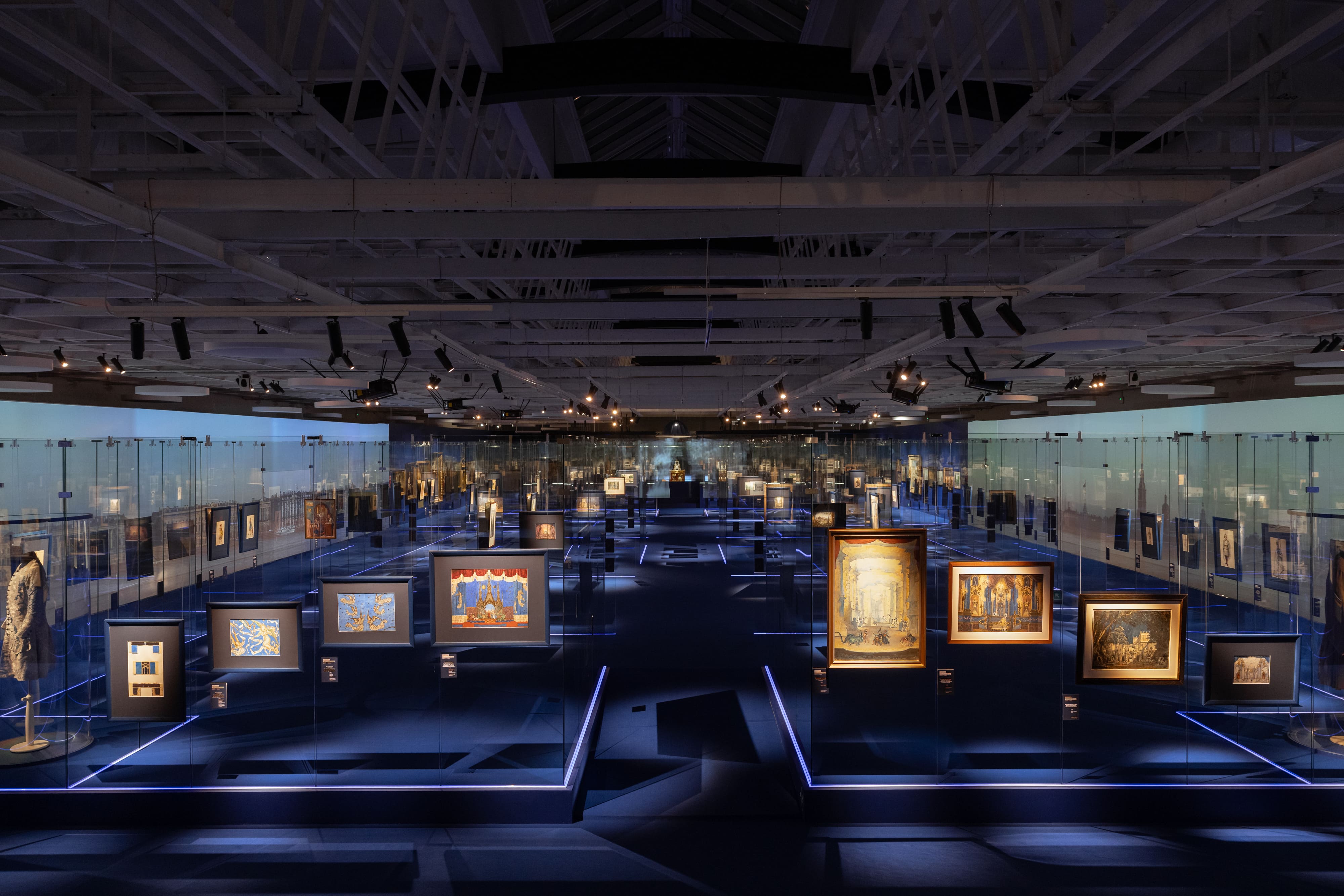
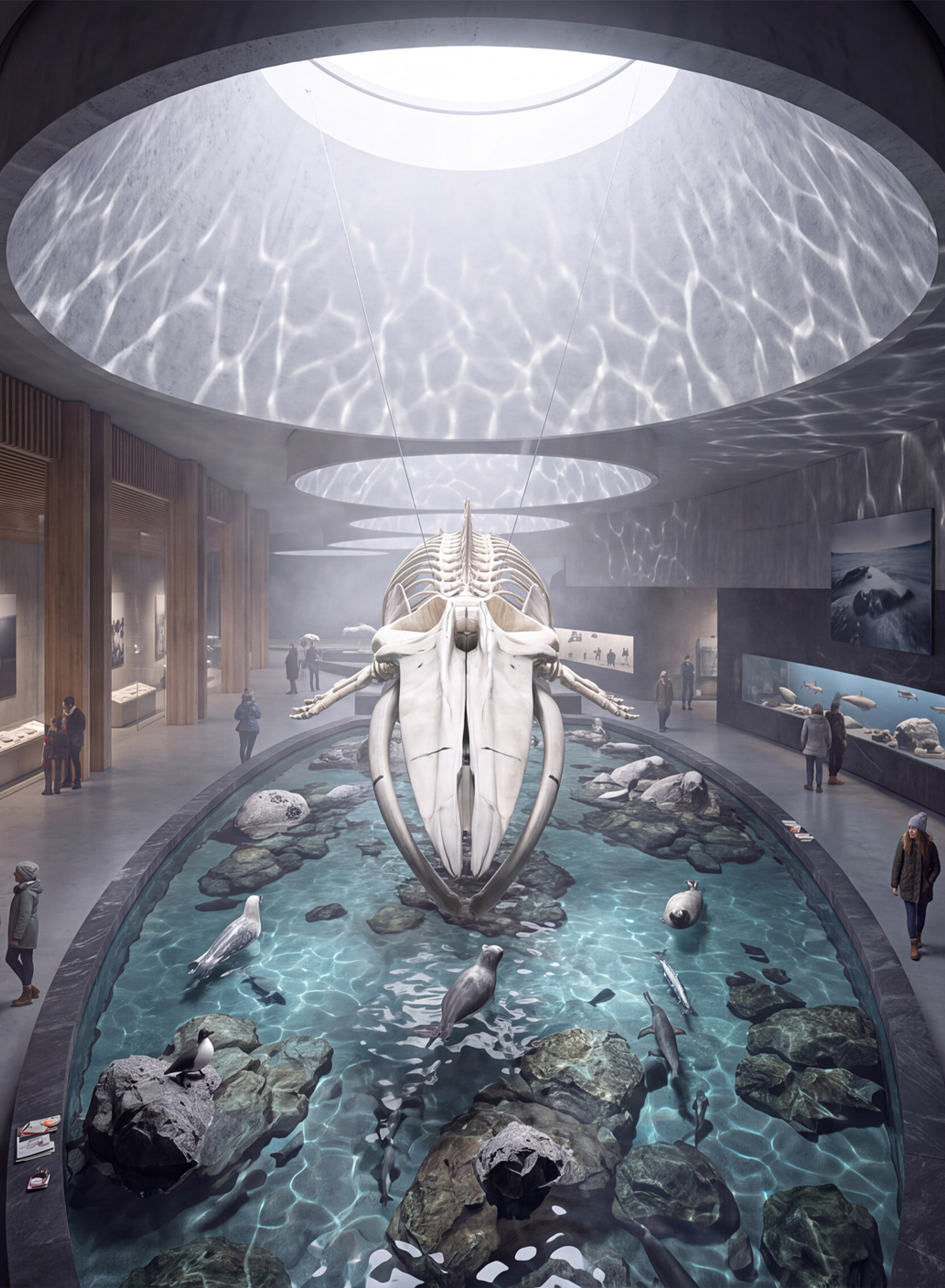
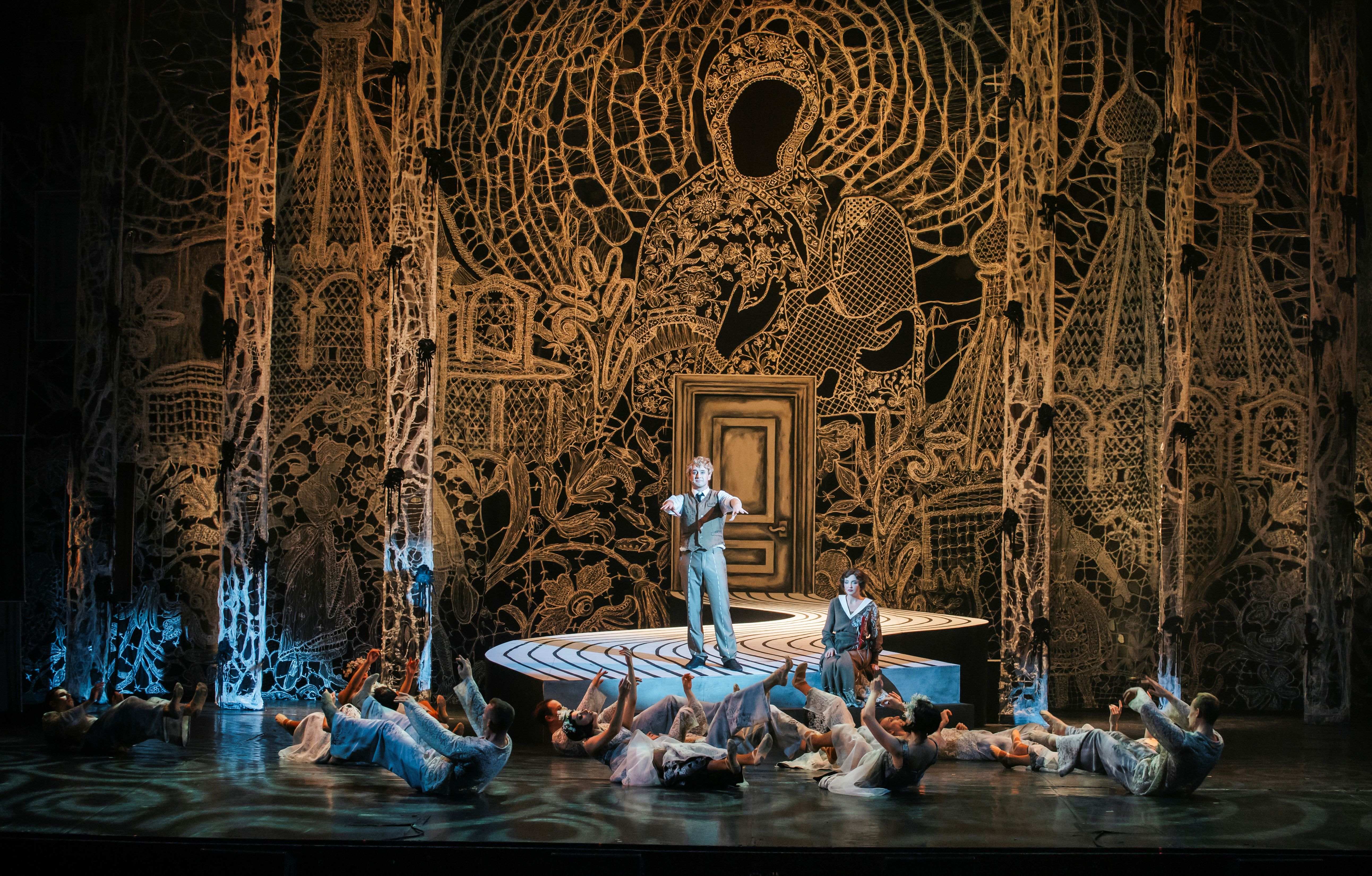
In the category for museum architecture, the New Building of the Perm Art Gallery meets the Arctic Nature Museum in Teriberka and the Uruk Museum in Iraq. Competing for the best museum exposition are Northern Sun, a traveling exhibition project by the Tsarskoye Selo State Museum-Reserve; Khadzar of Dreams by UTRO Bureau at the GES-2 House of Culture; and All Benois – All the Benois at the Manege Museum and Exhibition Complex in St. Petersburg. The theatre designers in the final are the authors of the sets for Leningrad Symphony at the Tomsk Regional Drama Theatre, Hamlet at the Chekhov Moscow Art Theatre and Yesenin by the Chaliapin Musical Theatre.
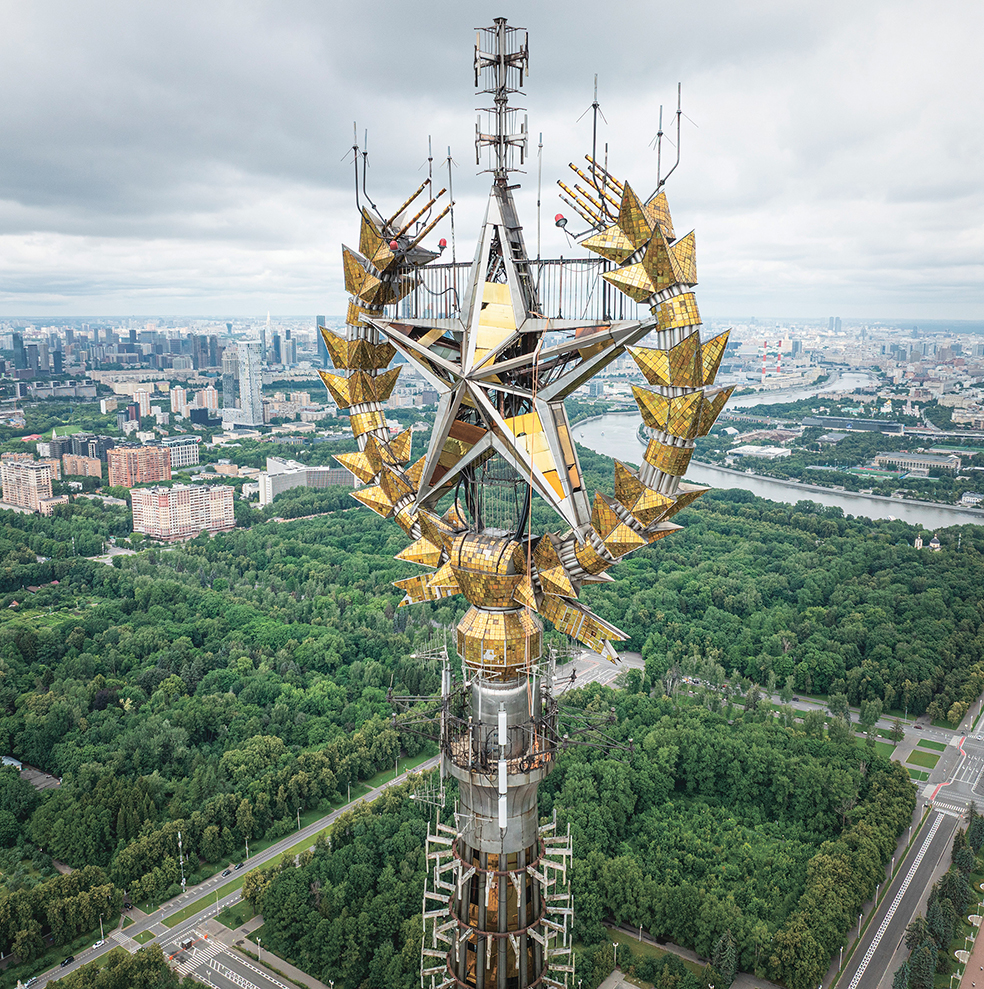
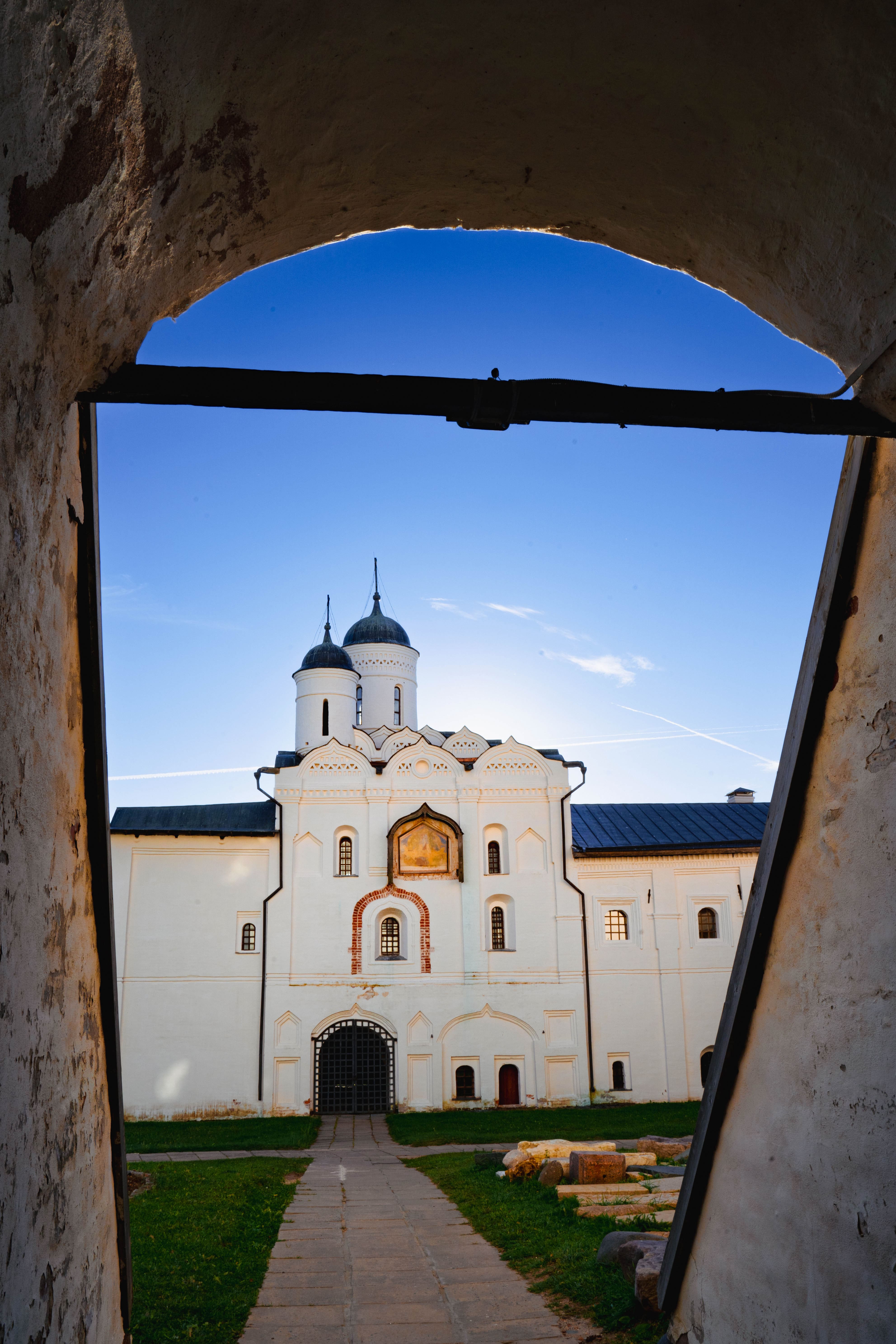
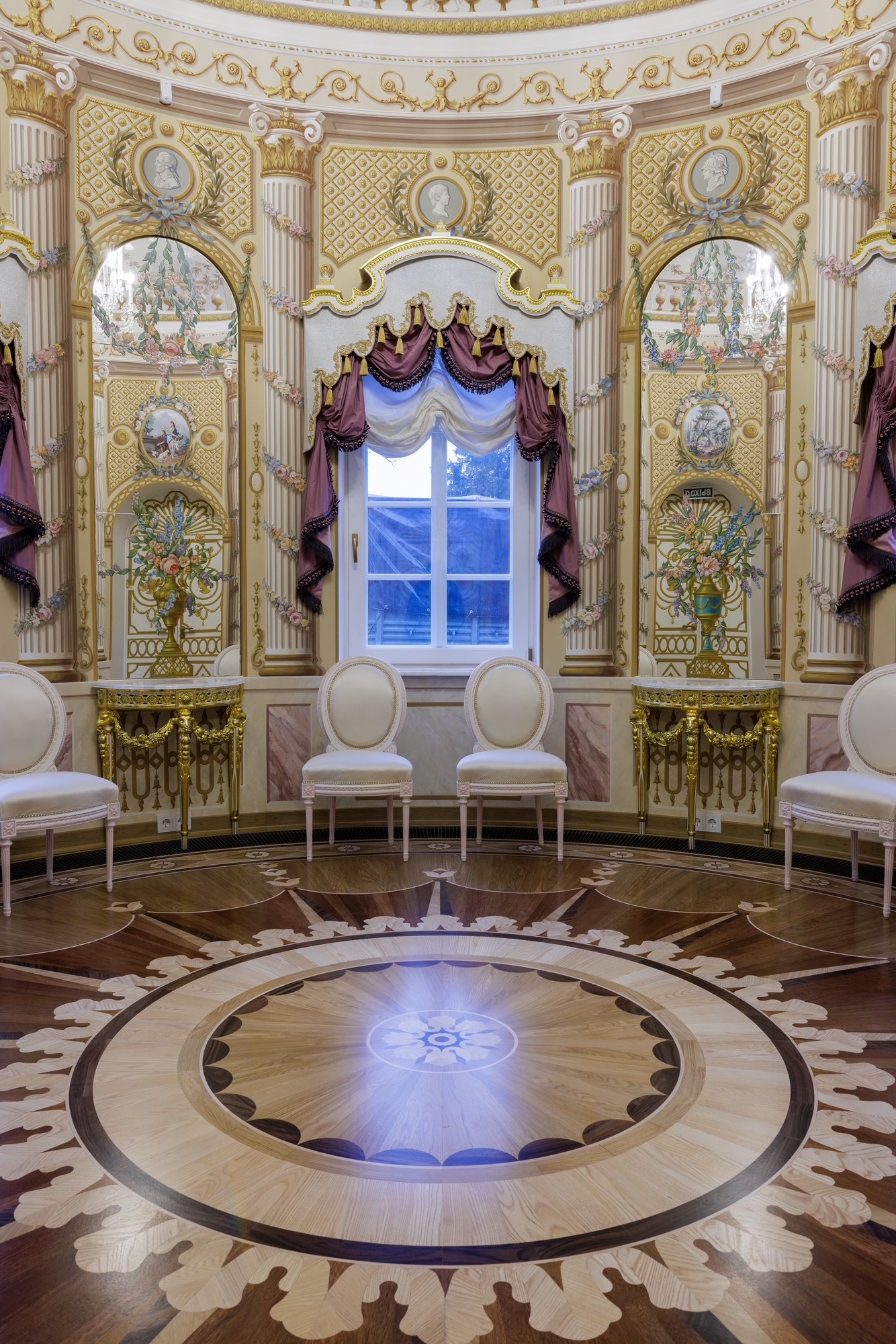
As is tradition, the restoration categories bring together monuments from different eras. Vying for the best implemented restoration project are the Chinese Hall in the Zubov Wing of the Catherine Palace at Tsarskoye Selo, the department store of the Sukhov and Sons Trading House in Barnaul, and the Main Building of Moscow State University. The category devoted to the restoration of religious buildings in Russia features the 12th-century Church of St. George in Staraya Ladoga, the Church of Paraskeva Pyatnitsa in Krasnoyarsk and the Church of the Transfiguration of the Lord above the Water Gates in Kirillov. In the reconstruction category, a Russian project stands alongside two from abroad: a former transformer substation on the Strelka in Nizhny Novgorod shares the stage with a carefully renewed villa of 1715 in Montenegro and the Khorshid Gold and Jewelry Bazaar on Imam Ali Square in Isfahan.
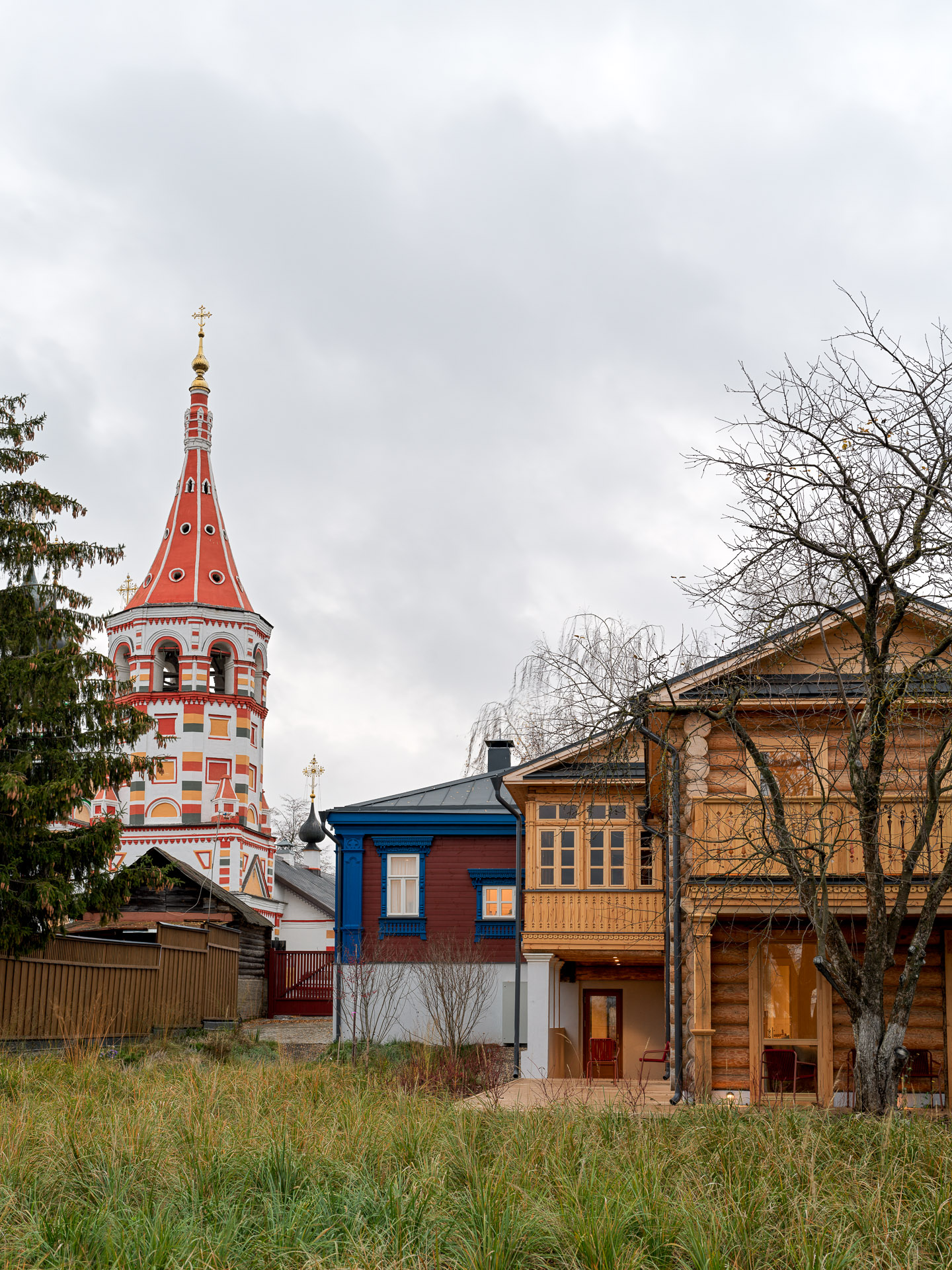
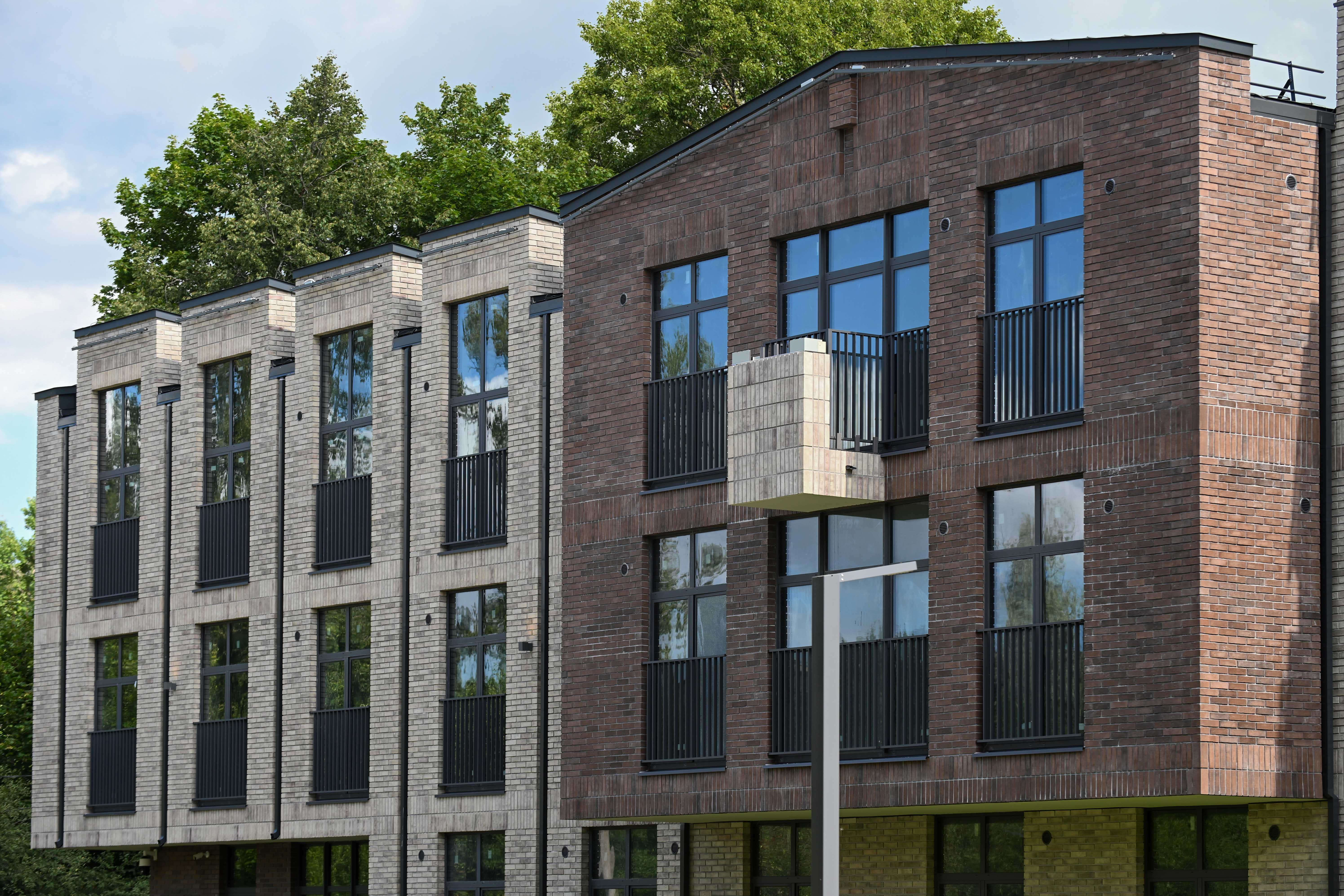
There is also a category for projects that breathe new life into architectural monuments. Contending for the best adaptation of a cultural heritage site are the Kochubey House on Konnogvardeysky Boulevard, known to Petersburgers as the “House with Moors,” the Dymov Dacha boutique hotel in Suzdal and a residential house on Sergievskaya Street in Nizhny Novgorod. In the category for capital construction in St. Petersburg, the finalists are the MIRЪ and VI Quarter residential complexes and a school for 1,320 pupils.
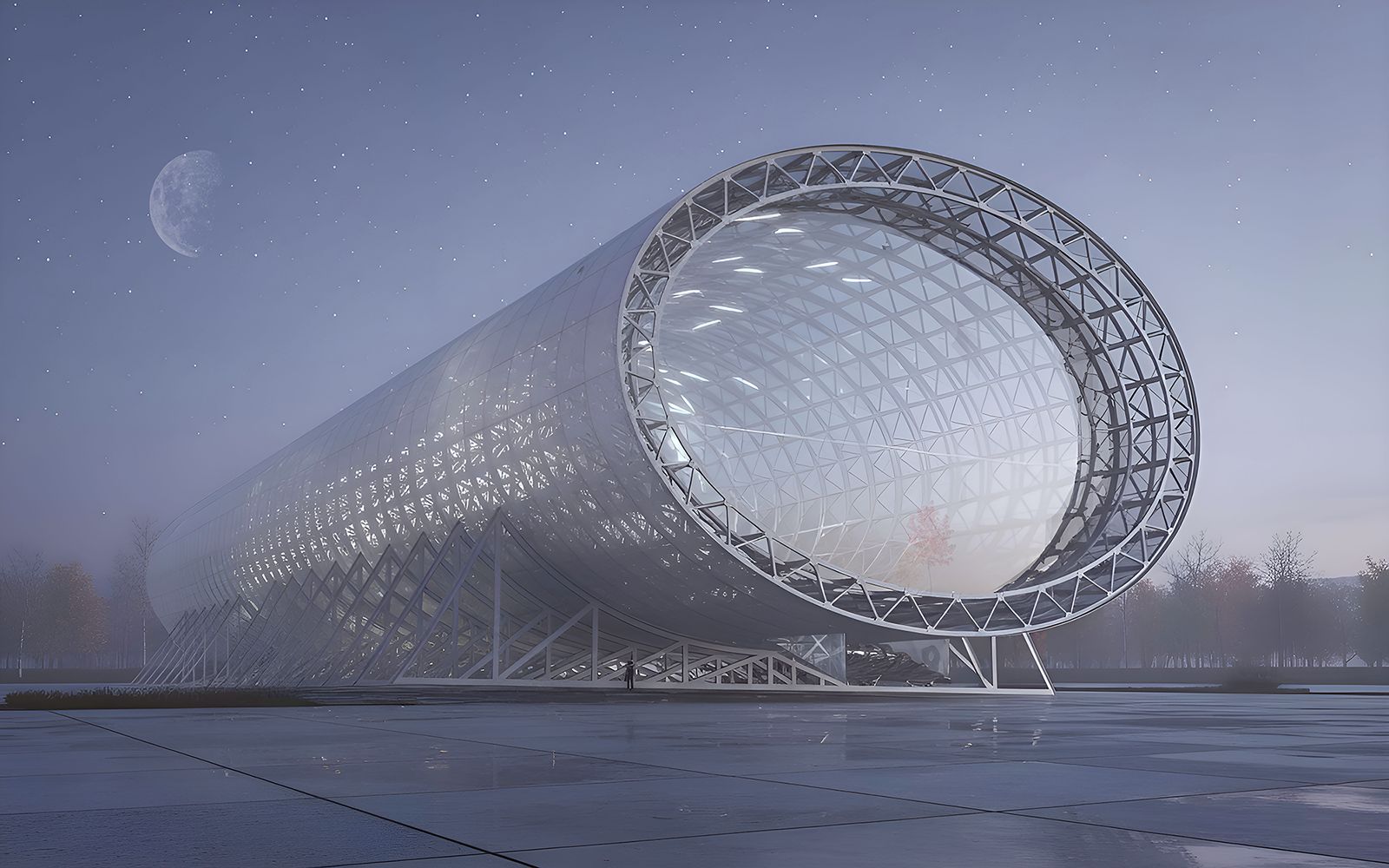
Among the implemented public buildings are the National Space Centre in Moscow, Prestige University in Indore, India, and Luna Beach Club in Bali. Among the designs are the redevelopment of the Gatchina Dairy Plant, The Aare Vertebra – a biomimetic pedestrian and cycle bridge over the Aare in Thun, Switzerland – and Neshan in Qom, Iran.
Residential architecture is represented in two categories. The designs for residential and mixed-use estates include Hetrotopia in Ramsar and Sayeh Varesh in Gilan Province, both in Iran, as well as Pushkarev 12 in Moscow. Among the implemented estates are Lavrushinsky House in Moscow, Cielo in Nagpur, India, and the Soyuz Quarter in Moscow’s Rostokino district.
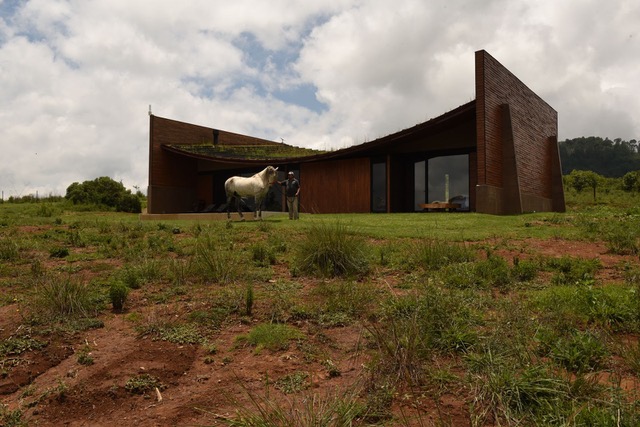
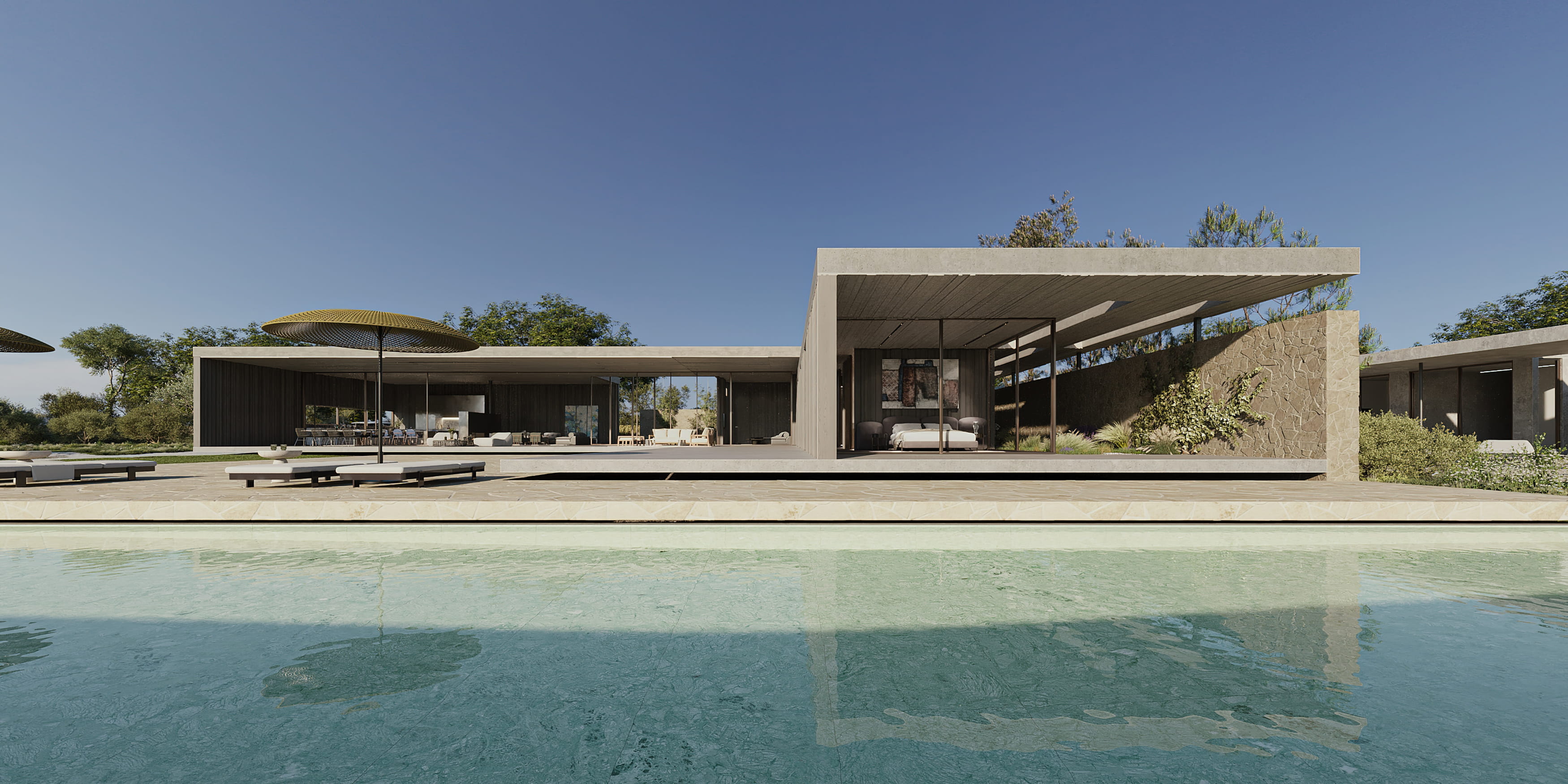
Private residences offer no less variety. The designs include Villa Minerva on Punta Campanella near Sorrento, Fushat al-Nasim in Dubai and “Hills” between the Volga Region and Polesye in the Zhiguli Mountains near Samara. Among the completed houses are Xingu House in Brazil, Serentha in Baja California, Mexico, and a house in “Lisichkin Forest” outside Moscow.
The interior design categories bring together public spaces and private homes. Competing for the best public interior are the lobby of the MIRЪ club house in St. Petersburg, conceived in the spirit of temple architecture, the office of International Media Service and Setanta Sports in Tashkent, and the JINR Gallery in Dubna. Contending for the best apartment or private house interior are two Moscow projects – Soviet Mid-Century: Warmth of Forms and Colour and A Classic with Character – and Space for Life in Tashkent.
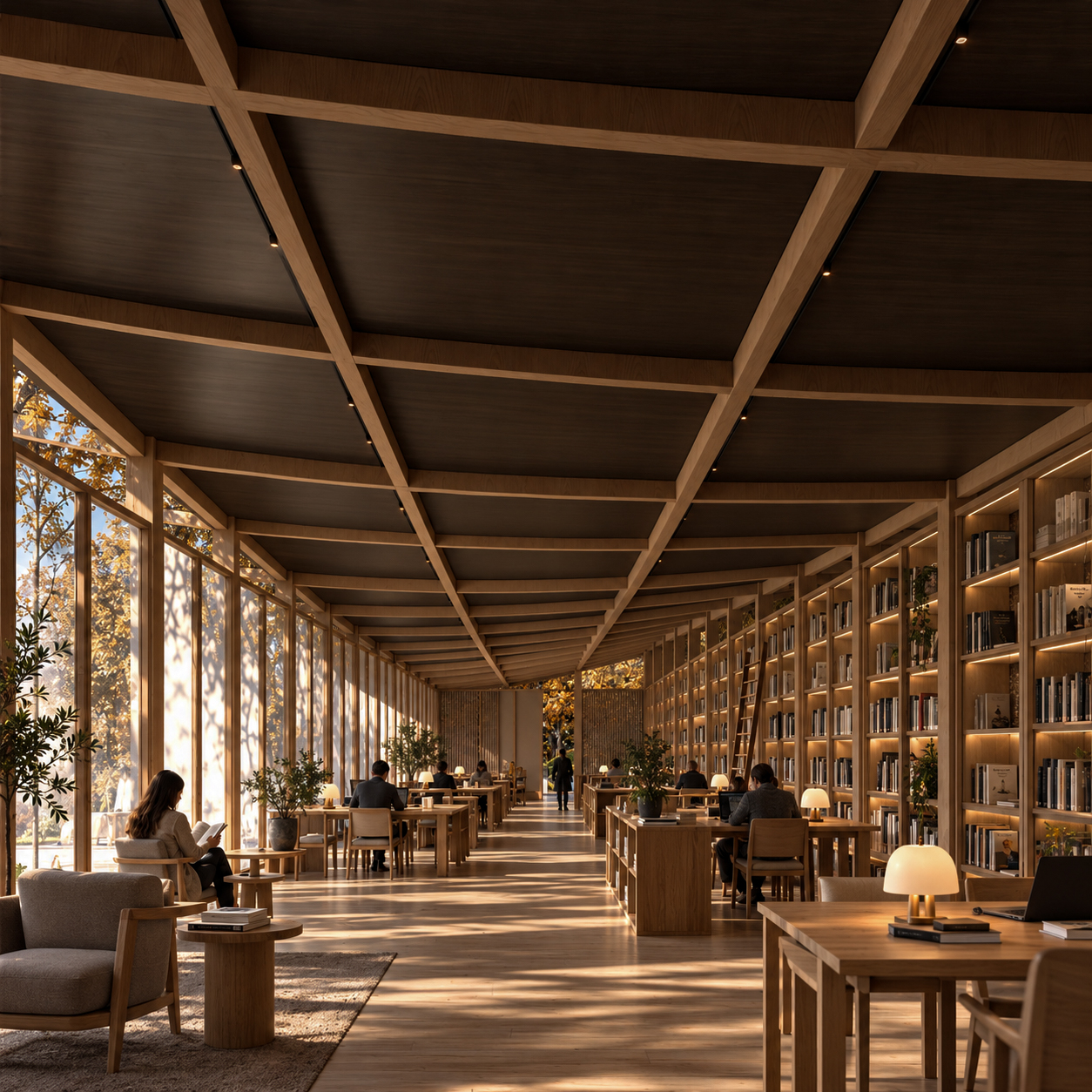
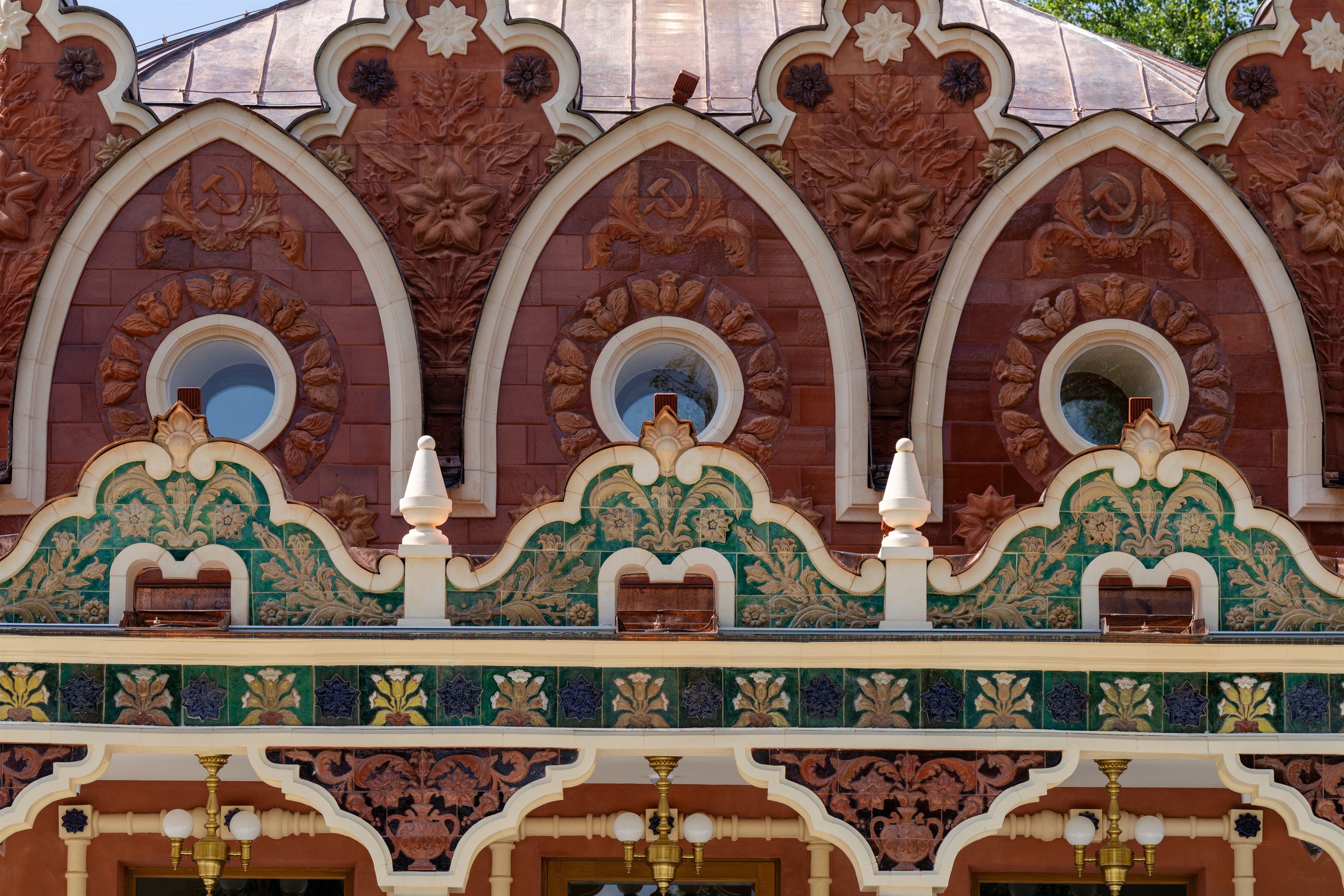
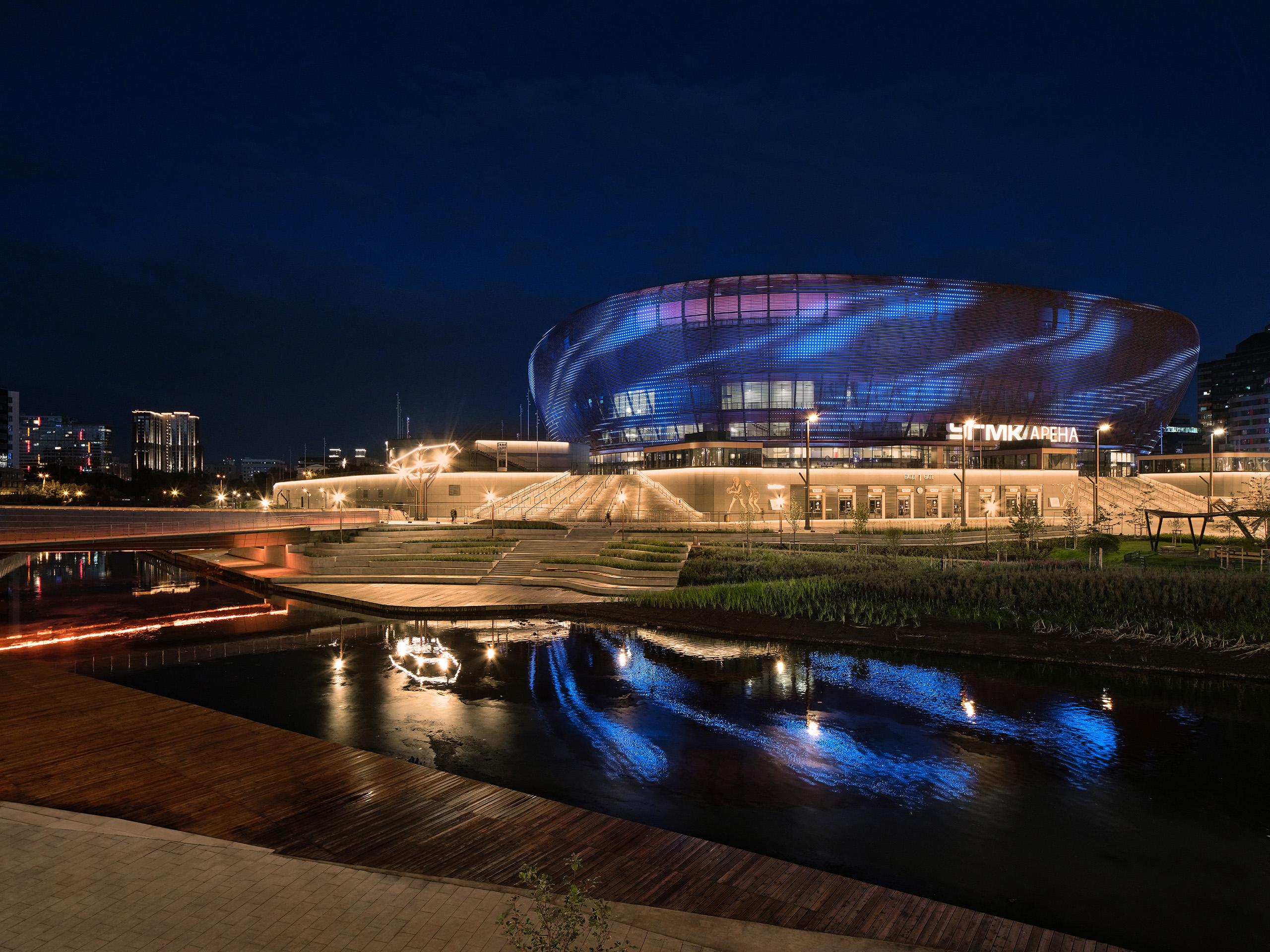
The library design category features the I.A. Bunin Regional Library in Orel, the Under a Sheet of Paper library in Sortavala, Karelia, and the library of the New View school in Moscow. In the architectural ceramics category are a family restaurant in Gatchina, the Glavtabak pavilion at VDNKh and the decorative panel Babylonian Dragon in Dolgoprudny. The best architectural lighting will be chosen from among the ensemble of the Makaryevsky Zheltovodsky Monastery, UGMK-Arena in Yekaterinburg and the Park of the 70th Anniversary of Victory in Salekhard.
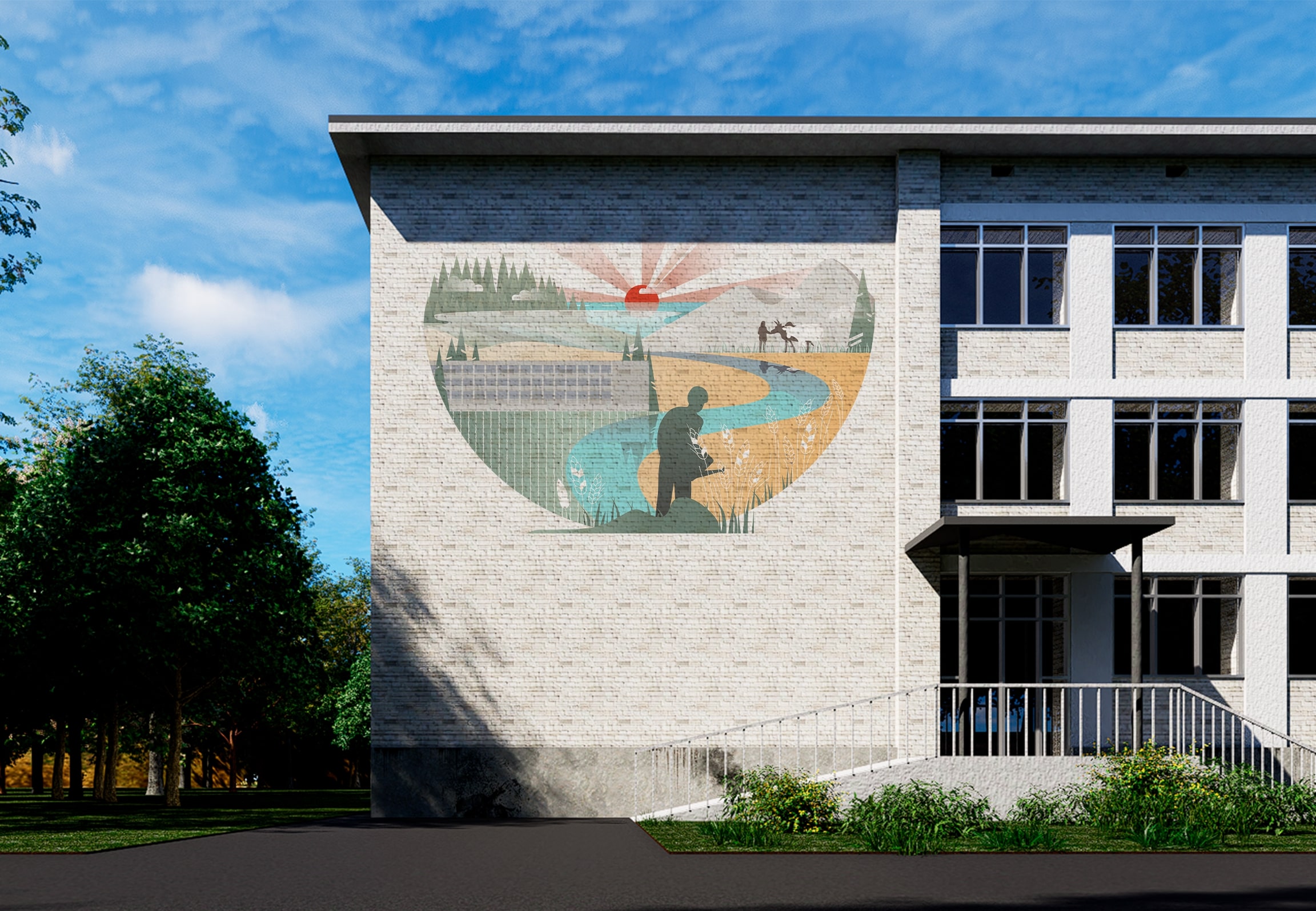
This season, finalists have been named in three new categories for the first time. Restored in the traditions of the Leningrad School of Restoration are the Church of the Intercession on Borovaya Street, the Old Chalet in Pavlovsk Park and the house of the Trading and Industrial Partnership of F.G. Bazhanov and A.P. Chuvaldina. Iran stands out in the brick architecture category, with Wall–Window House in Yazd and The Voids in Kouhsar reaching the final, joined by Los Compadres from Mexico City. And in the Best Implemented Architectural Project by Student category, established at the initiative of the Leningrad Region, the finalists are a mural for the Krasnye Zori school in Peterhof, an art cluster in Novoselye and the first stage of the modernisation of the Road of Life memorial complex.
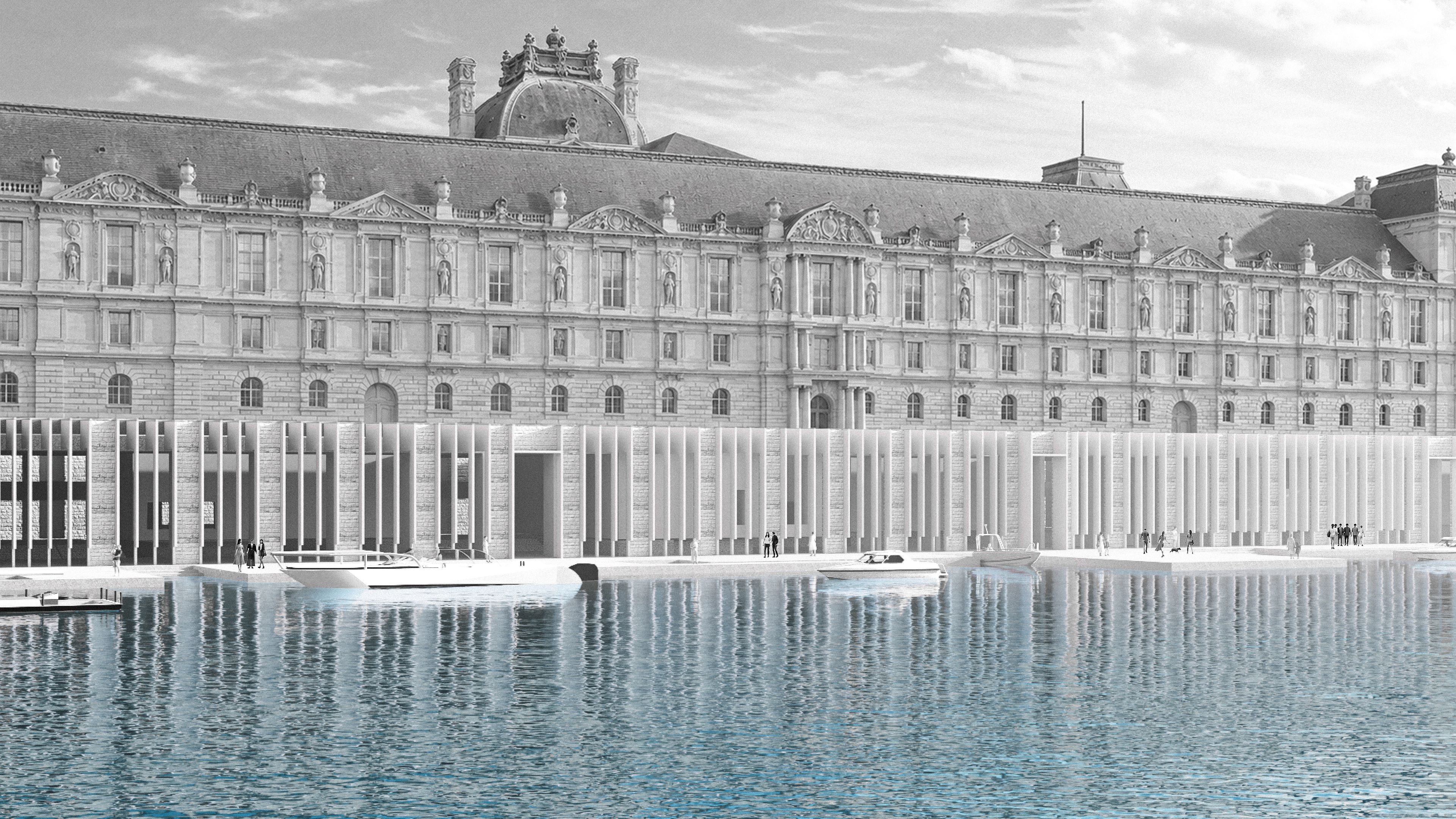
Student works made up more than a third of all submissions this season, and in the two other student categories young architects show impressive range. The building designs include Thousand Layers, a museum of the culture of the Cuu Long River in Can Tho, Vietnam; The Nucleus, a waste processing and energy generation plant in Baghdad; and an Olympic pool by Lake Dolgoye Park in St. Petersburg. The public space designs include an experimental reconstruction of Volkov Square in Yaroslavl, the Cultural Anchor museum and educational cluster, and a Museum of Water on Louvre Island in Paris.
The Lazar Khidekel Prize stands somewhat apart. Its contenders are the exhibition Oh, Sea, Sea! The Water Element in the Works of Russian Artists of the 18th–20th Centuries at the Russian Museum, an administrative and office building in Minsk and Ibiza House in Spain.
“Congratulations to all the finalists! The shortlist is a threshold beyond which a project begins to belong not only to its own time. In a month, the jury will name the laureates whose projects will enter the museum collection, where our grandchildren and great-grandchildren will one day study them. Few architects are granted the knowledge that their work will be not only seen but preserved. Such is the fate that awaits our laureates,” says Pavel Chernyakov, Chair of the Organising Committee of the Golden Trezzini Awards.
Public voting continues on the Awards website until 3 November: any visitor can support a favourite project, and the results will determine the winner of the People’s Choice Award. Meanwhile, the finalists’ works are being assessed by the International Jury, which brings together experts from 35 countries. The jury will select the winners in the main categories, while the laureates of the special categories will be chosen by special expert groups and partners of the Awards.
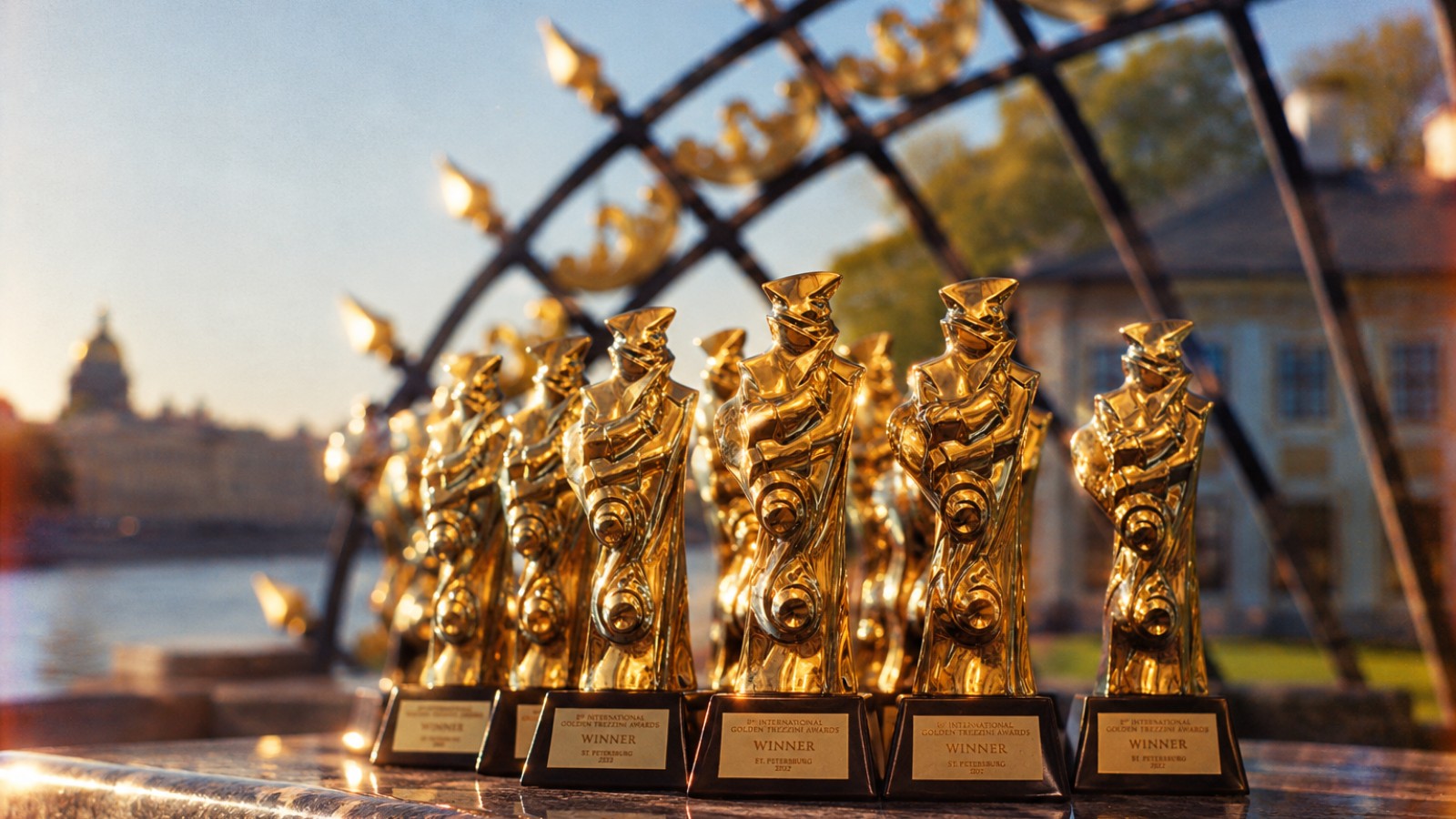
The winners of the ninth season will be announced on 20 November at a gala ceremony at the State Hermitage Museum, on the stage of the Hermitage Theatre. Laureates will receive gilded porcelain statuettes of Domenico Trezzini, handcrafted by the masters of the Imperial Porcelain Manufactory. As last year, foreign winners unable to travel to St. Petersburg will receive their awards through diplomatic channels, with the assistance of the St. Petersburg Office of the Ministry of Foreign Affairs of Russia. Shortlisted authors who do not win will receive finalist certificates.
Special awards will also be presented at the ceremony – the Crystal Trezzini, the Ceramic Trezzini, the Premio del Pubblico (People’s Choice) Award and the Worldwide St. Petersburg Club’s medal Genius Petropolis (“Spirit of St. Petersburg”) – and the organising committee will honour selected projects with certificates ranging from platinum to bronze. The laureates’ projects will join the collection of the State Museum of the History of St. Petersburg and will be shown at the annual Architecture as Art exhibition in the Peter and Paul Fortress.
Submissions for the tenth, anniversary season of the Golden Trezzini Awards will open in February 2027.
The projects of the 9th Golden Trezzini Awards finalists are available on the Awards website: https://goldentrezzini.ru/en/finalists2026
About the Golden Trezzini Awards
The International Golden Trezzini Awards for Architecture and Design were established in 2018 and named after Domenico Trezzini (1670–1734), the first architect of St. Petersburg and the author of the Peter and Paul Cathedral and the Twelve Collegia building.
The motto of the Awards is “Architecture as Art.” Their aim is to select the most artistically valuable projects in architecture, design and restoration for inclusion in museum collections. The Golden Trezzini Awards are the only architecture and design awards in the world whose winning projects are transferred to the collection of a state museum – the State Museum of the History of St. Petersburg.
The Awards promote “architectural diplomacy” as a form of public diplomacy, offering a platform for dialogue between architects and the museum community of different countries, regardless of the political climate. Participation is free of charge.
The Awards are organised by the Worldwide St. Petersburg Club. The Honorary Chair of their International Council is Mikhail Piotrovsky, President of the Worldwide St. Petersburg Club and Director General of the State Hermitage Museum. The Council and the jury include experts, public figures and diplomats from 35 countries. The official manufacturer of the awards is the Imperial Porcelain Manufactory.
The Awards are supported by the State Hermitage Museum, the State Russian Museum, the State Museum of the History of St. Petersburg, committees of the Governments of St. Petersburg and the Leningrad Region, and a number of Russian and international governmental and diplomatic bodies.
In 2026, the Awards received 1,520 entries from 49 countries and territories. Over its nine seasons, more than 8,000 projects from 117 countries have been submitted for the Golden Trezzini Awards.
Photos & visualizations: from the finalists of 2026 Golden Trezzini Awards, courtesy of the Organizing Committee
1. Arctic Nature Museum (Murmansk Region, Russia), arch. Vladimir Ovchinnikov. Dest Architectural Design for Museum category.
2. “All Benois — All the Benois” (St. Petersburg, Russia), Museum and Exhibition Complex “Manege”. Best Implemented Project of Temporary or Permanent Museum Exposition category.
3. “Yesenin” (Saint Petersburg, Russia), Fyodor Chaliapin Musical Theatre, set designer Elena Vershinina. Best Implemented Theatre Set Design category.
4. Main building of Moscow State University (Moscow, Russia), ASM Group. Best Implemented Restoration Project category.
5. Church of the Transfiguration of the Lord above the Water Gates (Vologda Region, Russia), Kirillo-Belozersky Historical, Architectural and Art Museum-Reserve. Best Implemented Project for Restoration of Religious Building in Russia category.
6. Restoration of the Old Chalet in Pavlovsk Park (St. Petersburg, Russia), Pavlovsk State Museum-Reserve. Best Project Implemented in the Traditions of the Leningrad School of Restoration category.
7. Khorshid Gold and Jewelry Bazaar: Surgery in the Heart of the City (Isfahan, Iran), Polsheer Architects. Best Implemented Reconstruction Project category.
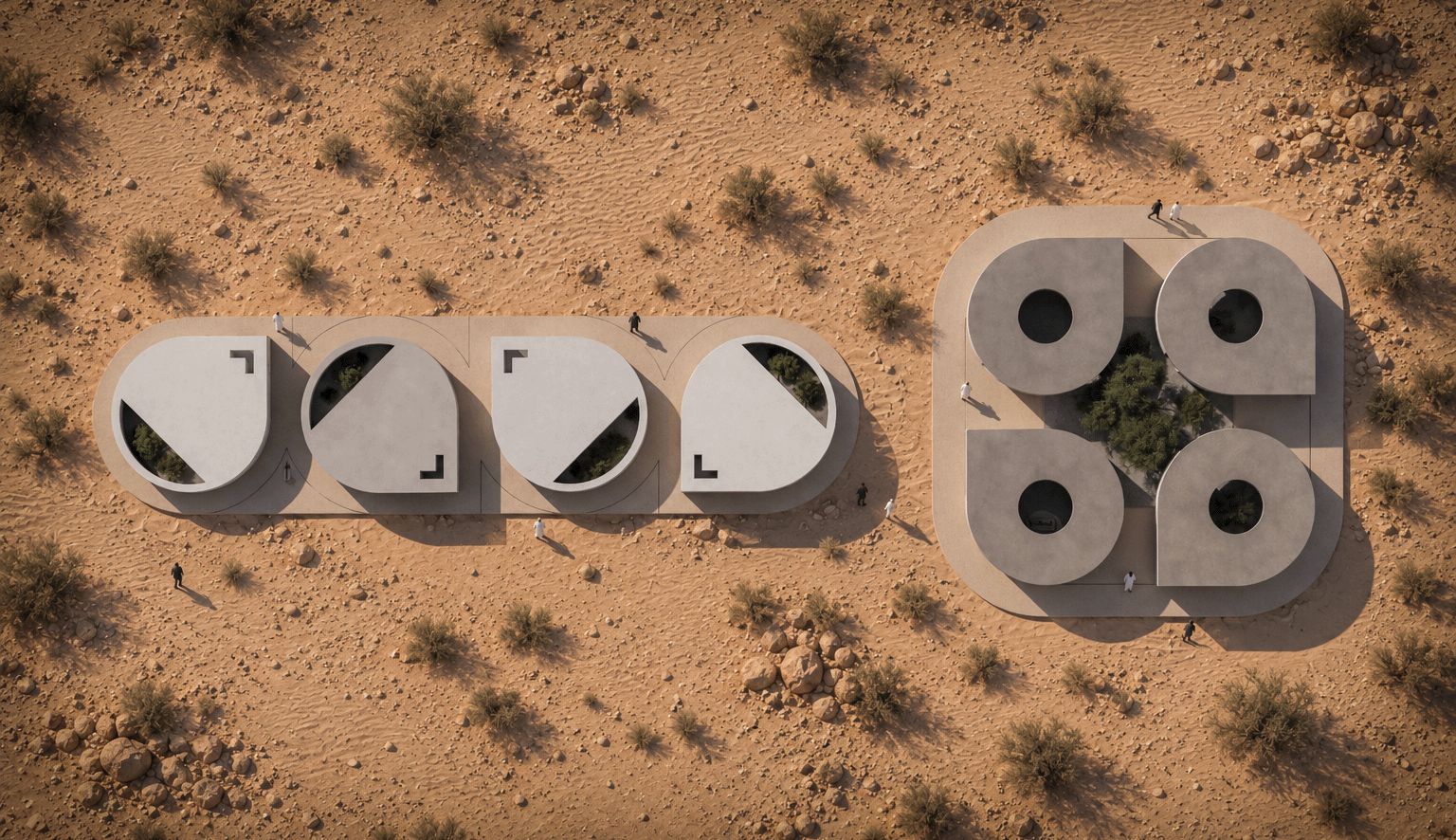
8. Sayeh Varesh (Gilan, Iran), arch. Mahdi Alambeigi. Best Project of Residential or Mixed-Use Estate category.
9. Soyuz Healthy Living Quarter (Moscow, Russia), Rodina Group, LabVA Pro architectural bureau. Best Implemented Project of Residential or Mixed-Use Estate category.
10. Neshan (Qom, Iran), HOM Architectural Bureau. Best Project of Public Building or Facility category.
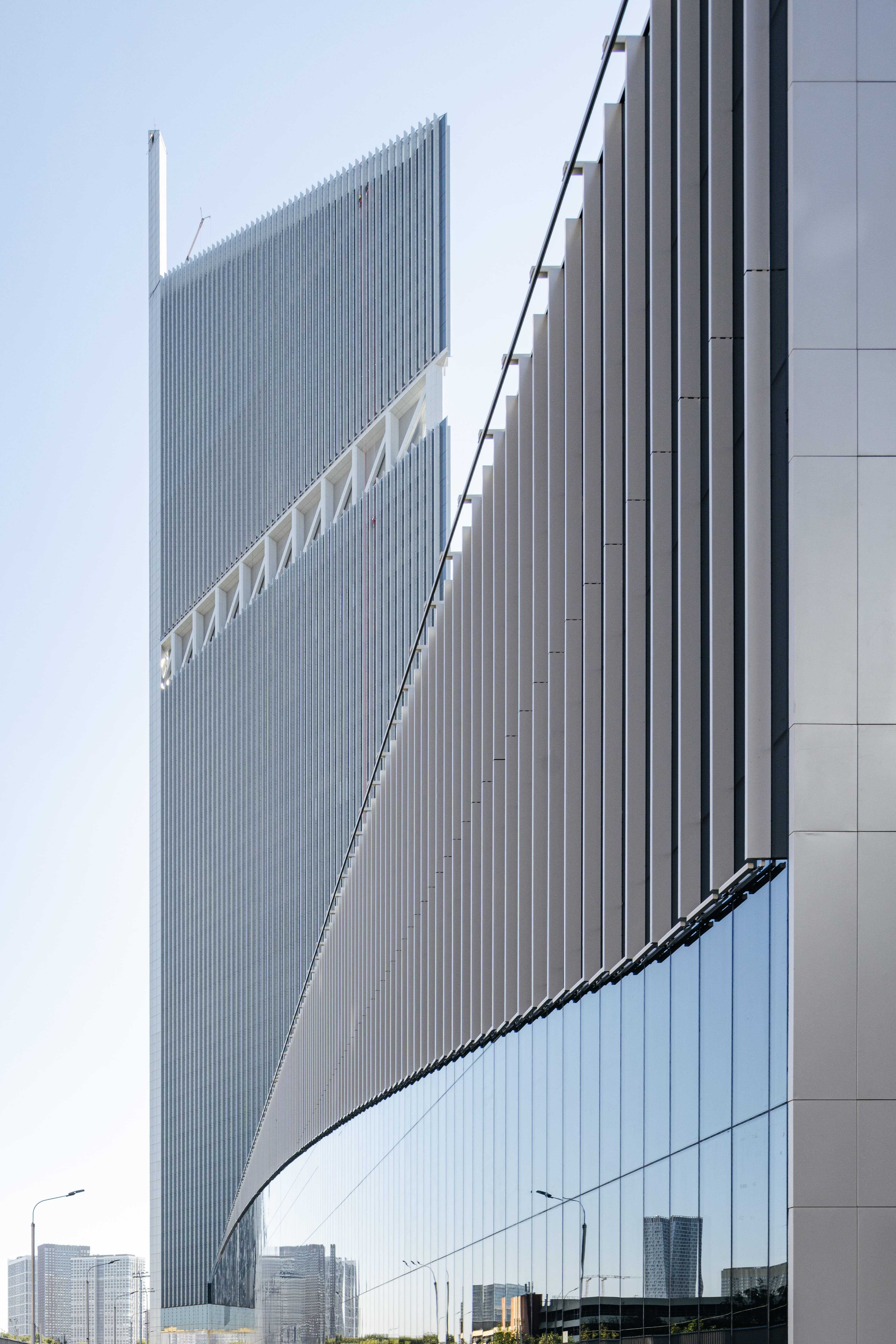
11. National Space Centre (Moscow, Russia), Department of Urban Development Policy of the City of Moscow, UNK project. Best Implemented Project of Public Building or Facility category.
12. “Hills” between the Volga region and Polesye (Samara, Russia). Tomenko Architect | Anastasia Tomenko. Best Project of Private Residence category.
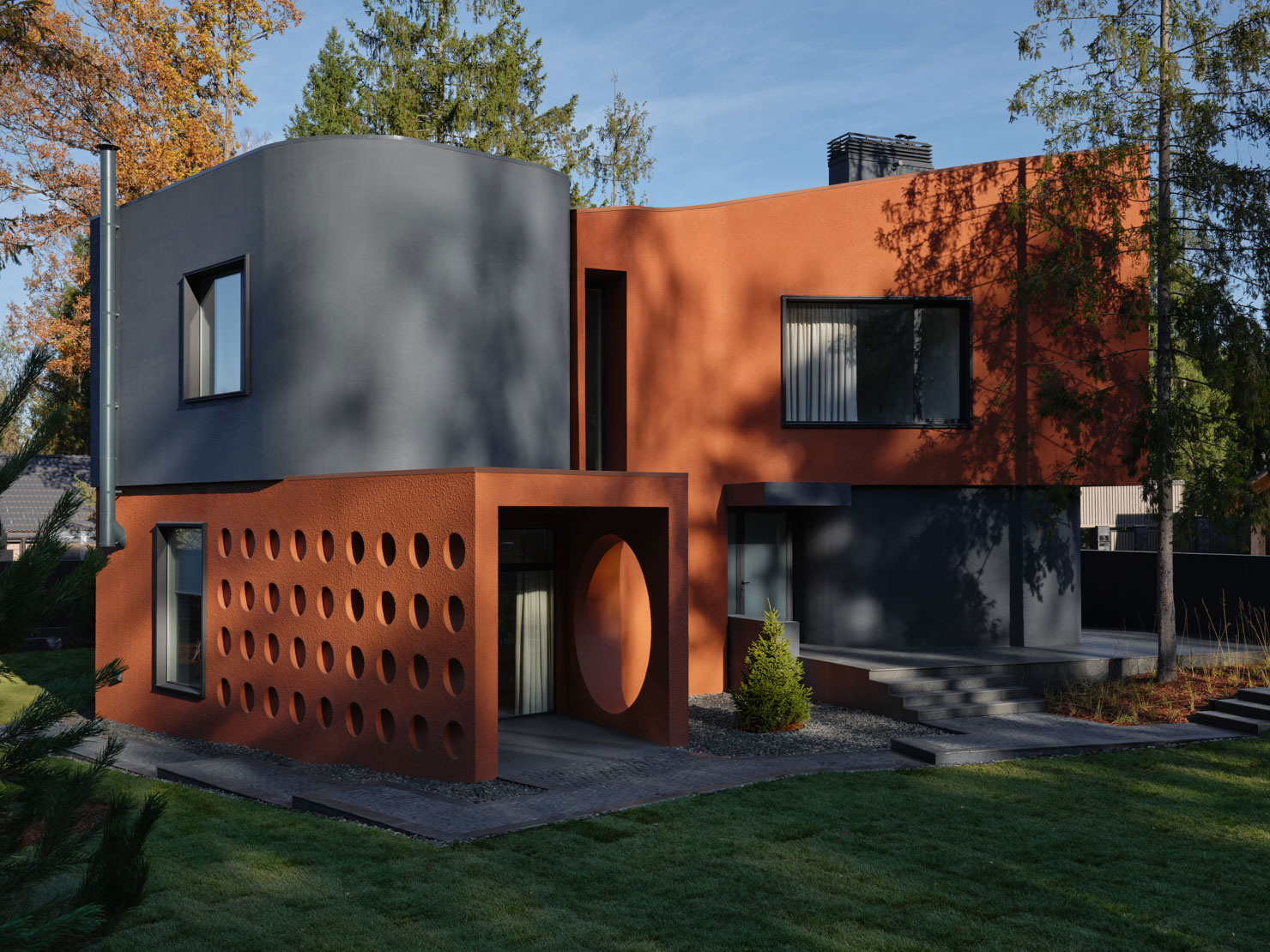
13. House in “Lisichkin Forest” (Moscow Region, Russia), Le Atelier Architectural Bureau. Best Implemented Project of Private Residence category.
14. Los Compadres (Mexico City, Mexico), Ricardo Yslas Gámez Arquitectos. Best Implemented Architectural Project Using Brick category.
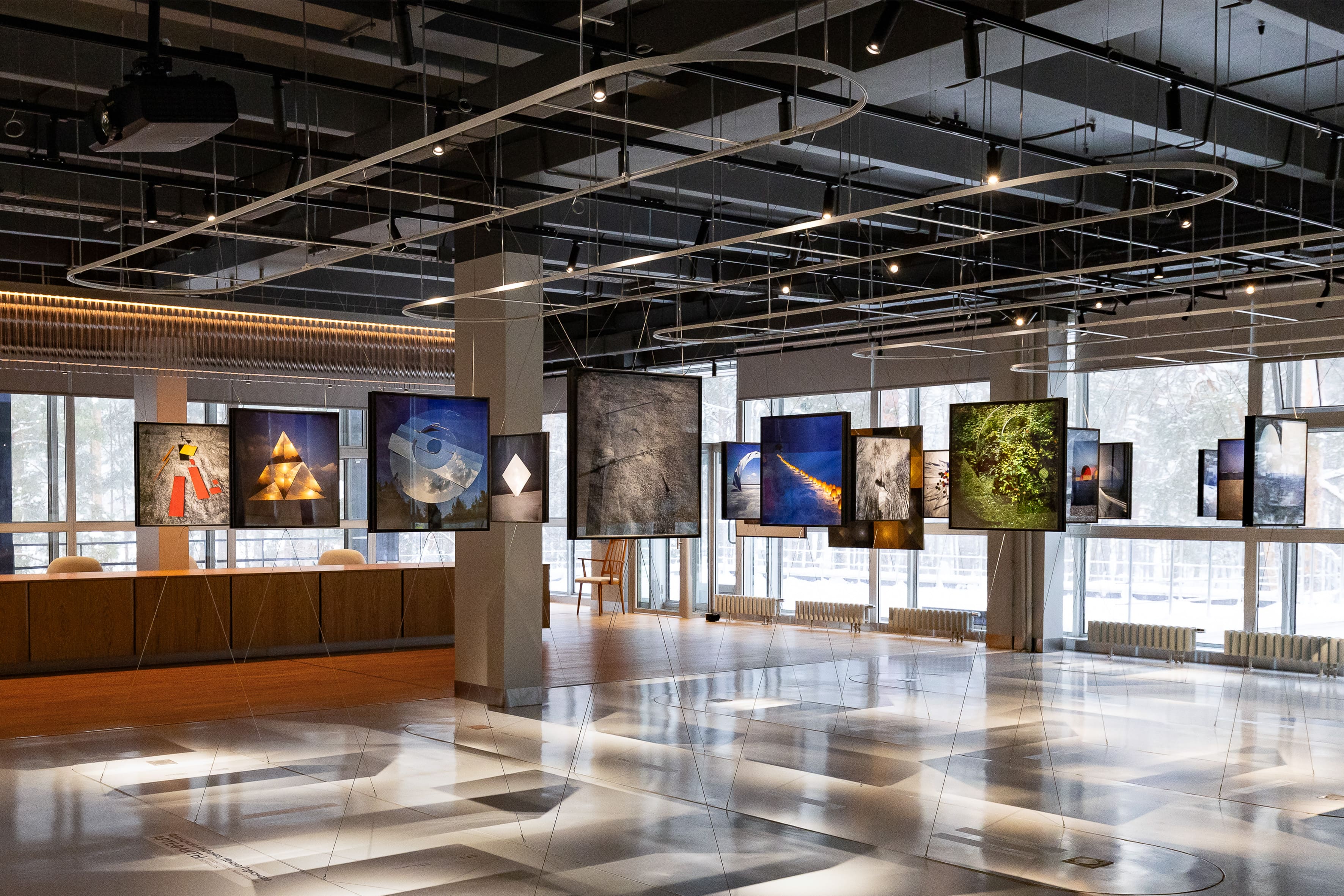
15. JINR Gallery (Moscow Region, Russia), Orchestra Design. Best Implemented Interior Design Project for Public Space category.
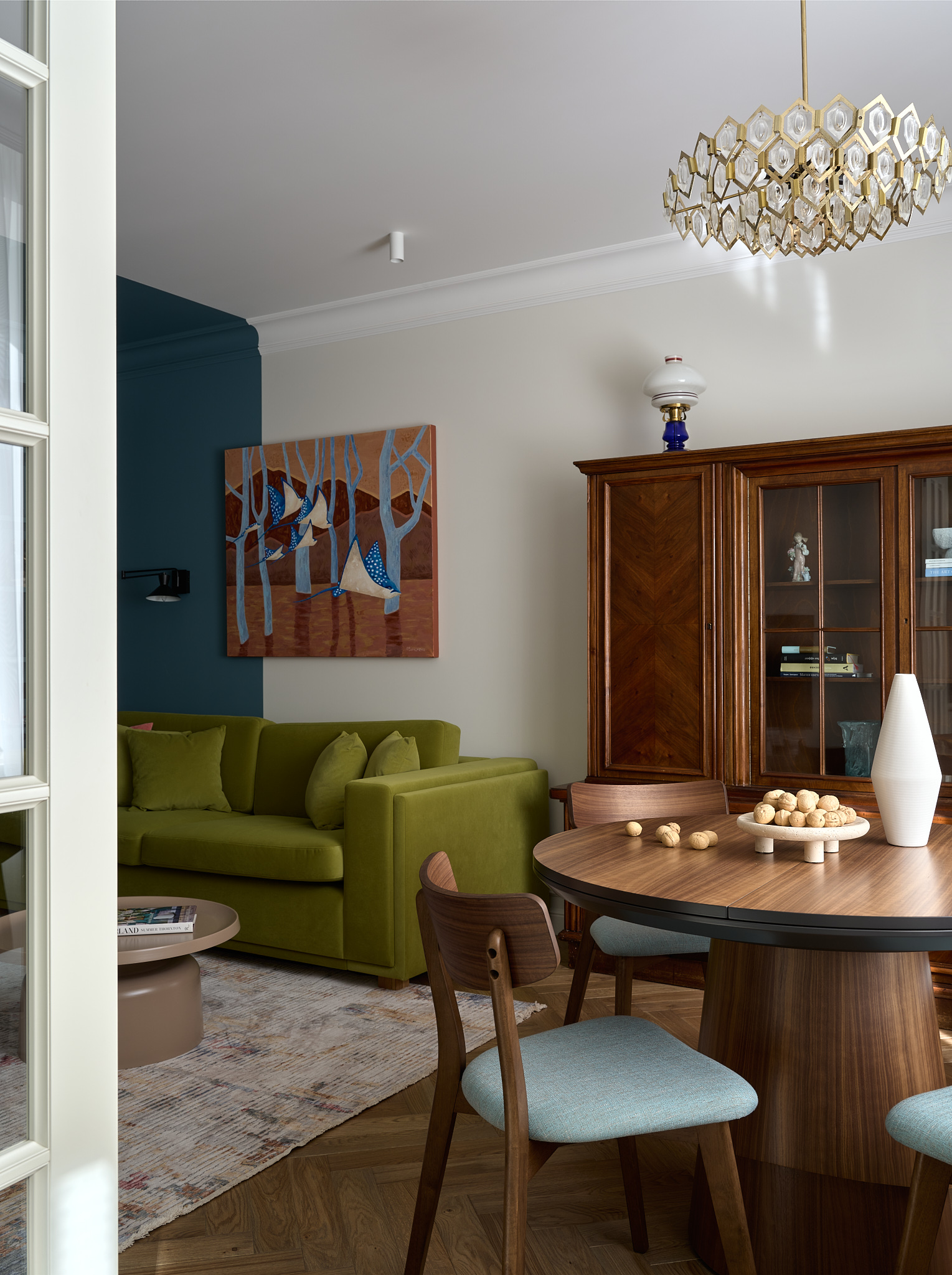
16. Soviet Mid-Century: Warmth of Forms and Colour (Moscow, Russia), arch. Olga Tsurikova. Best Implemented Apartment / Private House Interior Design Project category.
17. Olympic Pool (St. Petersburg, Russia), Anastasia Matusevich, St. Petersburg Academy of Arts named after Ilya Repin. Best Project of Building or Facility by Student category.
18. Museum of Water - Île du Louvre (Paris, France) Pedram Ahmadabady, Magda Borovina, Politecnico di Milano. Best Project of Public Space by Student category.
19. Mural for the School "Krasnye Zori" (St. Petersburg, Russia), Sofia Andreeva, Saint Petersburg State University of Architecture and Civil Engineering. Best Implemented Architectural Project by Student category.
20. Restoration of the Cultural Heritage Site of Federal Significance “Pavilion No. 35 'Glavtabak'", VDNKh (Moscow, Russia), VDNKh. Best Implemented Façade or Interior Project Using Ceramics category.
21. Library “Under a Sheet of Paper” (Republic of Karelia, Russia), Nassereddin Shaib. Best Design Project for Library category.
22. Dymov Dacha Boutique Hotel (Vladimir Region, Russia), Angelina Borodkina Design Studio. Best Implemented Project for Adaptation of a Cultural Heritage Site category.
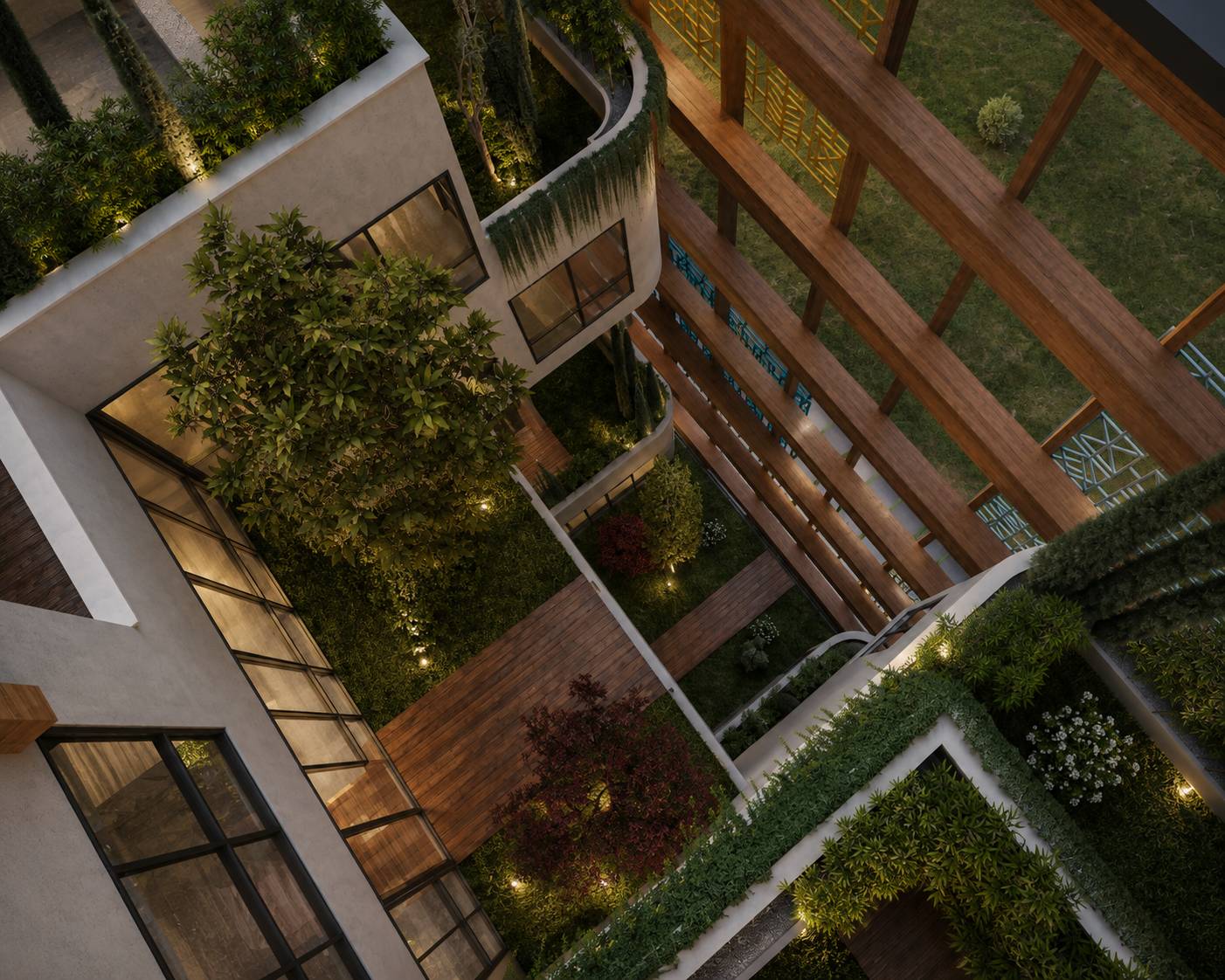
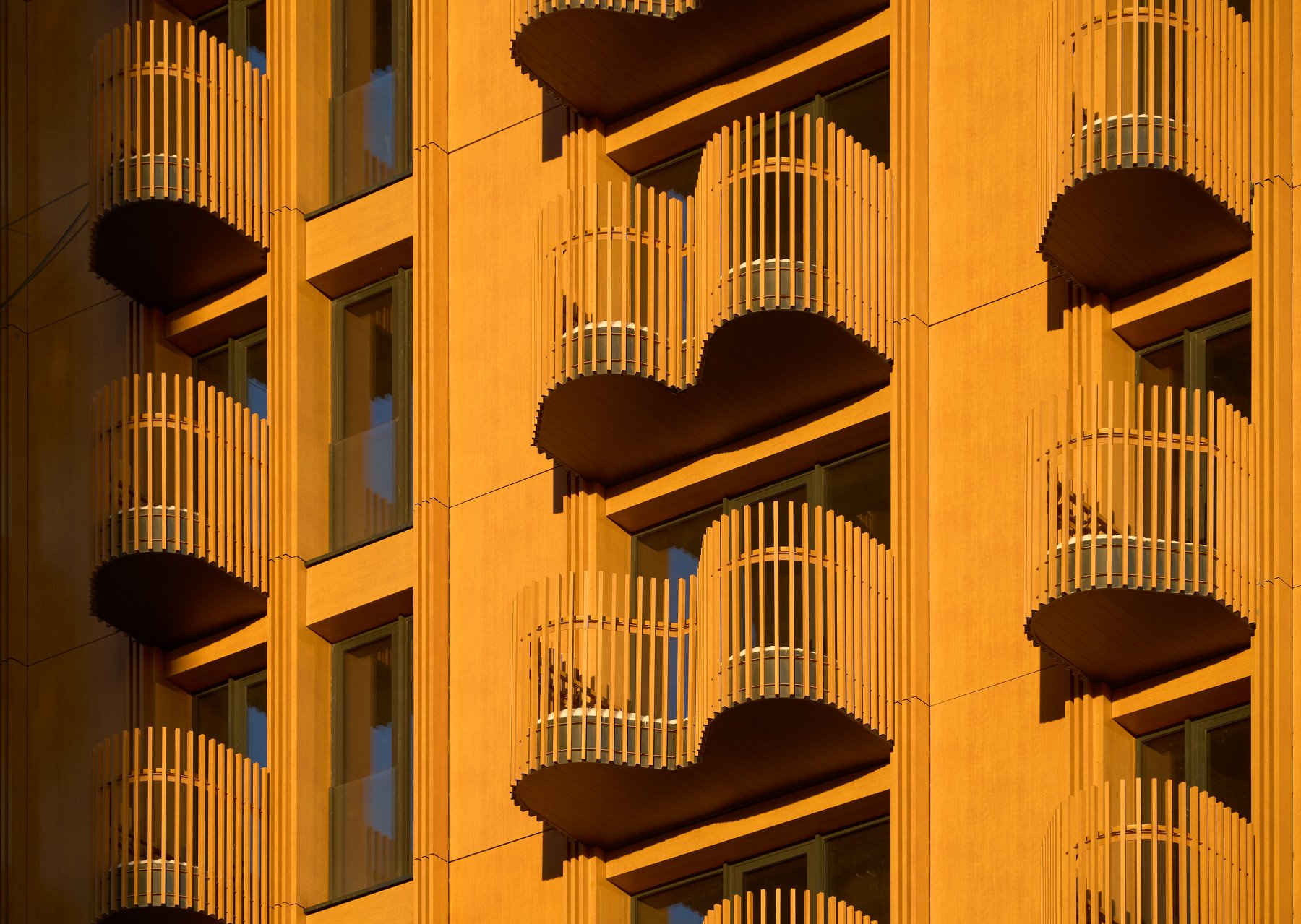
23. VI Quarter Residential Complex (St. Petersburg, Russia), Proyektnaya Kultura. Best Implemented Capital Construction Project in St. Petersburg category.
24. UGMK-Arena. New Dominant of the Embankment (Yekaterinburg, Russia), MT Electro. Best Implemented Architectural Lighting Project in Russia category.
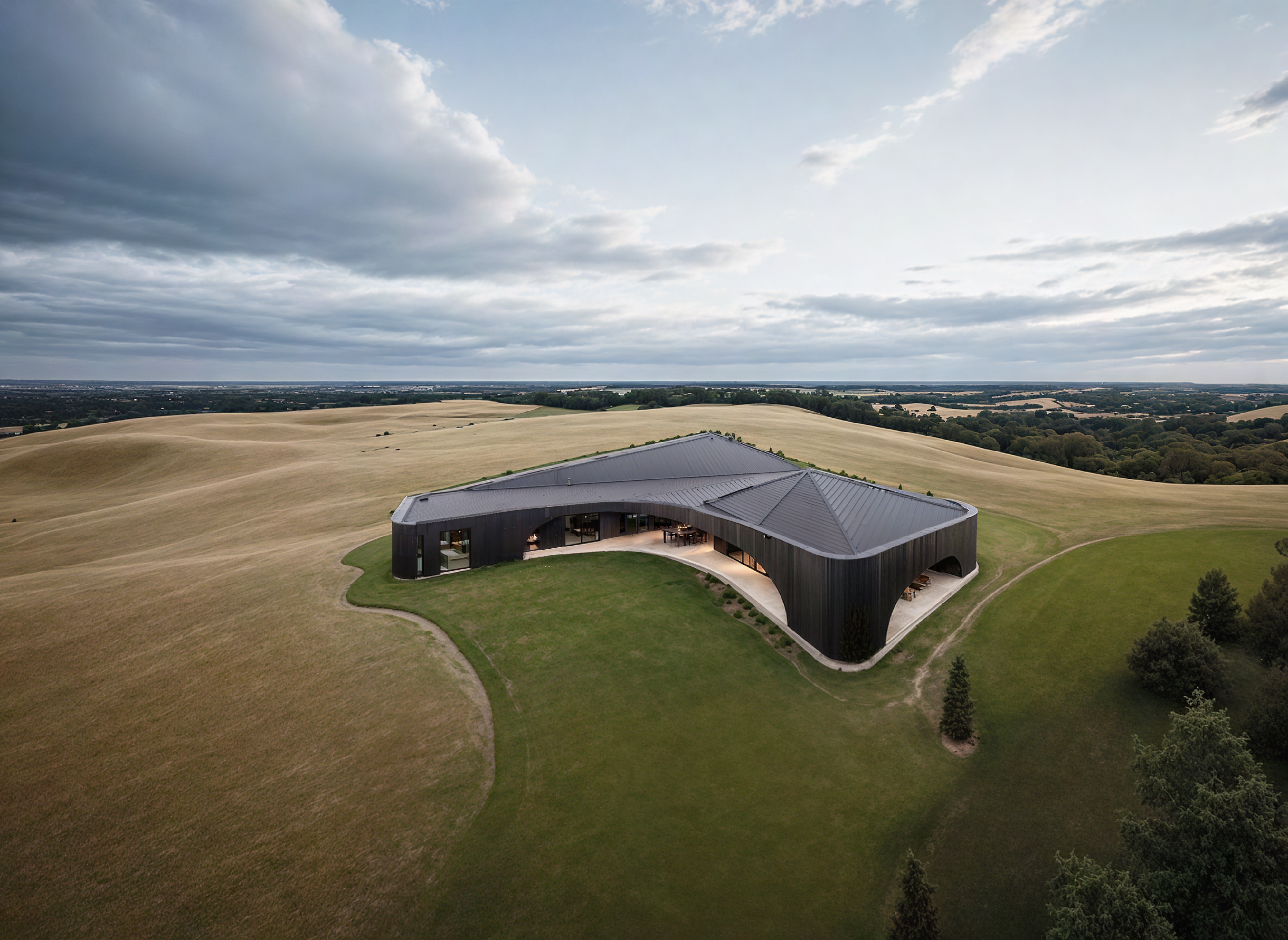
25. Ibiza House (Ibiza, Spain), Shallem Architects. Lazar Khidekel Prize category.
Partners of the 2026 Golden Trezzini Awards
Corinthia St Petersburg, Fresa's Restaurant Group, Rosseti Lenenergo, PSB ZhilStroy LLC, Kraski Friedlander, TREST Group, AAG, Setl Group, REDMOND, STARKWOOD, DEVELOPMENT SYSTEMS, Romantic Cerama, INTELEO, LSR. Stenovye LLC., BERKANO, Nevsky Alliance, Krasivy Gorod, TopFon.All partners
Photo Gallery